
Launching a SaaS MVP is not just about building a product. It’s about turning an idea into something people actually pay for.
Many founders build an MVP but struggle to get their first customers. The reason is simple: they focus only on development and ignore validation, positioning, and launch strategy.
This guide gives you a complete, practical checklist—from idea stage to your first paying customers—so you can launch your SaaS the right way.
Stage 1: Idea Clarity and Problem Definition
Before anything else, you need absolute clarity on the problem you are solving.
Ask yourself:
- What problem am I solving?
- Who is facing this problem?
- Why is the current solution not good enough?
Your SaaS should focus on solving one specific problem clearly.
Avoid vague ideas. Clarity at this stage saves months of wasted effort later.
Stage 2: Validate the Idea
Do not skip validation.
You need to confirm:
- People actually face this problem
- They are actively looking for solutions
- They are willing to pay
Use methods like:
- Talking to potential users
- Checking search demand
- Creating a landing page
- Running small ads
Validation ensures you are building something people want.
Stage 3: Define MVP Scope
This is where most founders go wrong.
Your MVP should include:
- Core problem-solving feature
- Basic user flow
- Minimal supporting features
Avoid:
- Advanced features
- Complex automation
- Over-engineering
The goal is speed, not perfection.
Stage 4: Choose the Right Development Approach
You have multiple options:
- No-code tools
- Freelancers
- SaaS MVP agencies
For structured and reliable development, working with experts is usually the best approach.
You can explore professional MVP services here:
https://saasmvpexperts.com/services/
Stage 5: Plan Pricing Early
Do not wait until after launch to think about pricing.
Decide:
- Subscription model
- Pricing tiers
- Value proposition
Even a simple pricing structure is enough for MVP.
You can review structured pricing examples here:
https://saasmvpexperts.com/pricing/
Stage 6: Design User Experience
Your product should be easy to use from day one.
Focus on:
- Clean dashboard
- Simple navigation
- Clear actions
Users should understand your product within seconds.
Stage 7: Build the MVP
Now comes development.
Your MVP should include:
- User authentication
- Core feature
- Dashboard
- Basic admin panel
Keep it simple, functional, and reliable.
Typical development time is 10–30 days depending on complexity.
Stage 8: Set Up Analytics
You need data from day one.
Track:
- User sign-ups
- Feature usage
- Drop-off points
This helps you understand what works and what doesn’t.
Stage 9: Prepare for Launch
Before launching, make sure:
- Your product works without major bugs
- Onboarding flow is clear
- Payment system is functional
- Landing page is ready
Also prepare:
- Basic marketing plan
- Outreach strategy
Stage 10: Soft Launch
Do not go big immediately.
Start with:
- Small audience
- Early adopters
- Beta users
This helps you gather feedback and fix issues before scaling.
Stage 11: Collect Feedback
Feedback is your most valuable asset.
Ask users:
- What do you like?
- What is confusing?
- What is missing?
Focus on patterns, not individual opinions.
Stage 12: Improve the Product
Based on feedback:
- Fix issues
- Improve usability
- Add essential features
Do not rush into scaling until your product is stable.
Stage 13: Get First Paying Customers
This is the real milestone.
To achieve this:
- Offer early discounts
- Provide limited-time offers
- Reach out directly to users
Your goal is not volume. Your goal is validation through payment.
Stage 14: Build Trust
People pay when they trust your product.
Improve:
- Website clarity
- Testimonials
- Case studies
Make your product look reliable and professional.
Stage 15: Scale Gradually
Once you have paying users:
- Improve features
- Optimize pricing
- Invest in marketing
Scale step by step.
Avoid growing too fast without a stable foundation.
Common Mistakes to Avoid
1. Launching Without Validation
This leads to zero traction.
2. Overbuilding the MVP
Too many features delay launch and increase cost.
3. Ignoring Marketing
Even great products fail without visibility.
4. Not Charging Early
If users are not paying, your idea is not validated.
Practical Launch Flow Summary
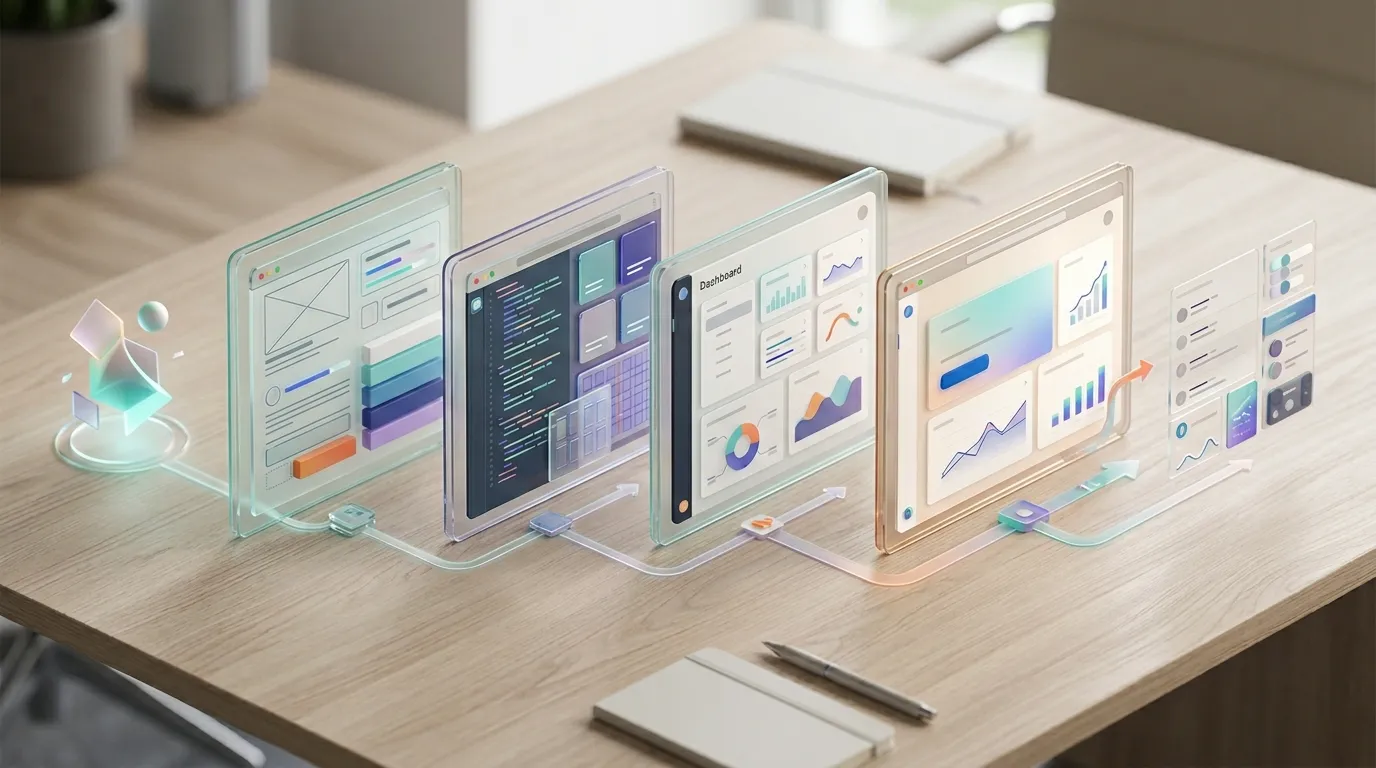
Here is the simplified roadmap:
- Define problem
- Validate idea
- Define MVP scope
- Build MVP
- Launch to small audience
- Collect feedback
- Get first paying customers
- Improve and scale
Build and Launch with Confidence
Launching a SaaS MVP is not about luck. It’s about following a structured process.
If you want to build and launch your SaaS efficiently:
https://saasmvpexperts.com/get-a-quote/
Final Thoughts
Your goal is not just to launch a product. Your goal is to build something people pay for.
The fastest way to success in SaaS is:
- Start small
- Launch fast
- Learn quickly
- Improve continuously
Focus on solving real problems, and the customers will follow.